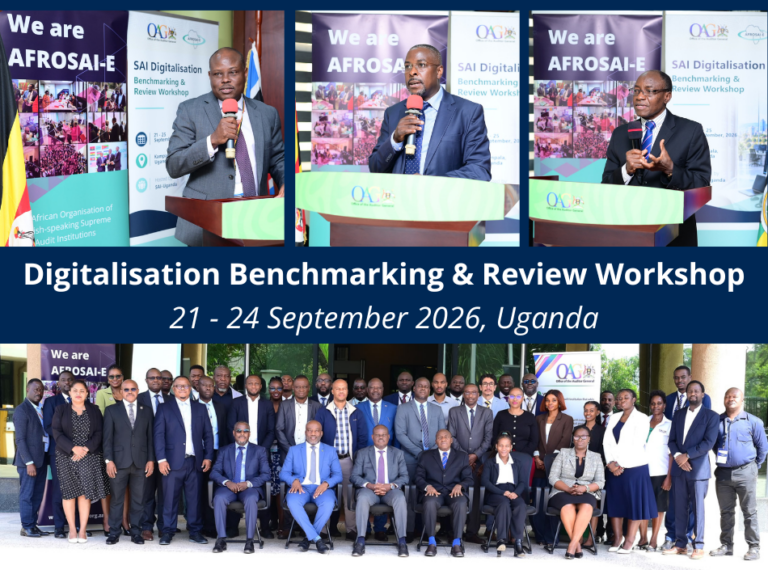
Forty Supreme Audit Institution auditors participated in a five-day capacity-building workshop in Abuja, Nigeria, to strengthen financial and performance audit capabilities and enhance effective oversight of investments in the health sector.
From 14–18 September 2026, AFROSAI-E conducted an intensive capacity-building workshop in Abuja, Nigeria, focused on strengthening the ability of Supreme Audit Institution (SAI) auditors to conduct financial and performance audits.
The workshop was delivered within the framework of the collaboration between AFROSAI-E, the Global Fund and Gavi, the Vaccine Alliance. Through a Memorandum of Understanding (MoU), the three organisations have joined forces to strengthen cooperation and enhance the capacity of AFROSAI-E member SAIs.
The collaboration supports the Global Fund and Gavi’s objective of reinforcing the effectiveness of external oversight of public funds and enabling greater use of national financial management systems in managing grants.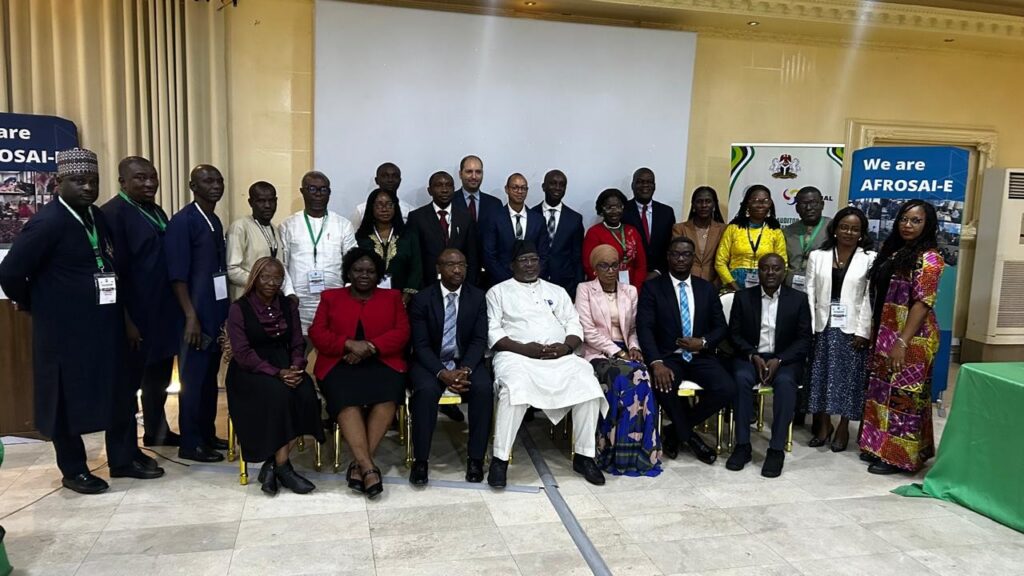
Building sustainable audit capacity
Nigeria receives significant investment from the Global Fund, making strong national audit capacity particularly important for ensuring effective oversight and accountability.
Against this background, the workshop was designed not only to strengthen the technical capabilities of participating auditors but also to increase the pool of auditors and trainers equipped to undertake these audits. Expanding this pool contributes to institutional continuity and helps SAIs manage challenges such as staff turnover without losing critical audit capacity.
The workshop brought together 40 SAI auditors for training in AFROSAI-E’s Financial Audit Methodology (FAM) and basic Performance Audit approaches.
The training also responded to specific capacity-development needs identified through previous engagements. More than 500 SAI auditors had completed FAM e-learning, providing a strong foundation on which to build. However, there remained a need for more intensive practical training, particularly in the area of risk assessment.
Performance auditing had also been identified as an important area for further capacity development.
Strengthening financial and performance audit capabilities
A central component of the workshop was strengthening participants’ ability to apply the AFROSAI-E Financial Audit Methodology when auditing Global Fund grants.
Participants worked through Global Fund grant documentation and requirements and examined areas where challenges or gaps may arise when applying the FAM methodology. Particular attention was given to risk assessment, which had been identified as an area requiring further intervention.
Another key technical area was evaluating audit misstatements and formulating appropriate audit conclusions. The training focused on strengthening auditors’ ability to move from gathering audit evidence to reaching well-supported conclusions.
The programme also included refresher training in basic Performance Audit, broadening participants’ ability to assess not only financial information but also the economy, efficiency and effectiveness of public programmes and interventions.
Bridging theory and practice through healthcare facility and supply chain visits
A key highlight of the workshop was the opportunity for participants to apply their learning beyond the classroom through practical excursions to Wuse District Hospital and Abuja Premier Warehouse.
During the visit to Wuse District Hospital, participants gained practical experience in applying case management programmatic audit procedures at the healthcare facility level. The excursion provided an opportunity to explore how programme activities are implemented within a healthcare facility and to consider how audit procedures apply to assessing case management practices.
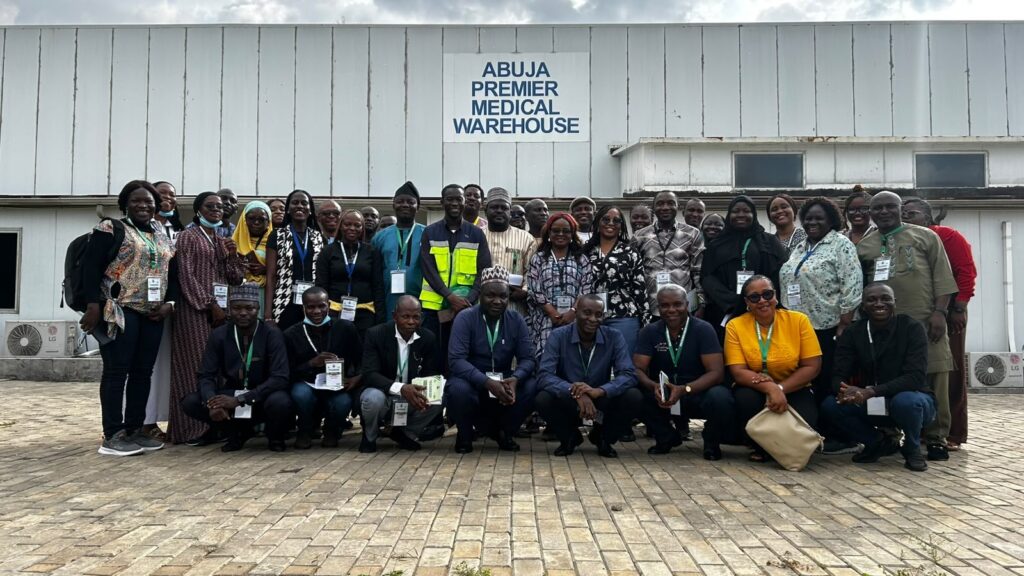
The second excursion took participants to Abuja Premier Warehouse, where they gained practical experience applying Procurement and Supply Management (PSM) programmatic audit procedures. The visit provided an opportunity to explore the operational environment of the health supply chain and consider how audit procedures can be applied to procurement and supply management processes. This practical exposure complemented the workshop’s technical sessions by helping participants relate audit principles to the systems and processes involved in managing health commodities.

Together, the two excursions reinforced the importance of connecting financial and performance audit methodologies with the operational realities of health programme implementation. They also provided participants with practical perspectives on conducting audits across different components of the healthcare delivery system.
Promoting regional knowledge sharing
Peer learning was another important feature of the workshop. Subject-matter experts from Malawi and Uganda participated in the programme, contributing to the exchange of experiences and practical insights across countries. This cross-country approach reflected AFROSAI-E’s broader commitment to strengthening SAIs through regional knowledge sharing and the practical application of audit methodologies.
By bringing together technical expertise and practical learning opportunities, the workshop provided a platform for strengthening audit capabilities and promoting greater consistency in the application of audit approaches.
Through this initiative, AFROSAI-E, the Global Fund and Gavi continued to invest in strengthening national audit capacity and reinforcing effective external oversight of public funds. By expanding the pool of auditors and trainers, strengthening technical competencies and promoting the practical application of audit methodologies, the collaboration contributes to stronger institutional capacity, enhanced accountability and more sustainable national systems.