The Office of the Auditor General (OAG) of Eswatini has taken an important step towards strengthening its institutional performance by launching a new five-year Strategic Plan development process, supported by the INTOSAI Development Initiative (IDI) and AFROSAI-E.
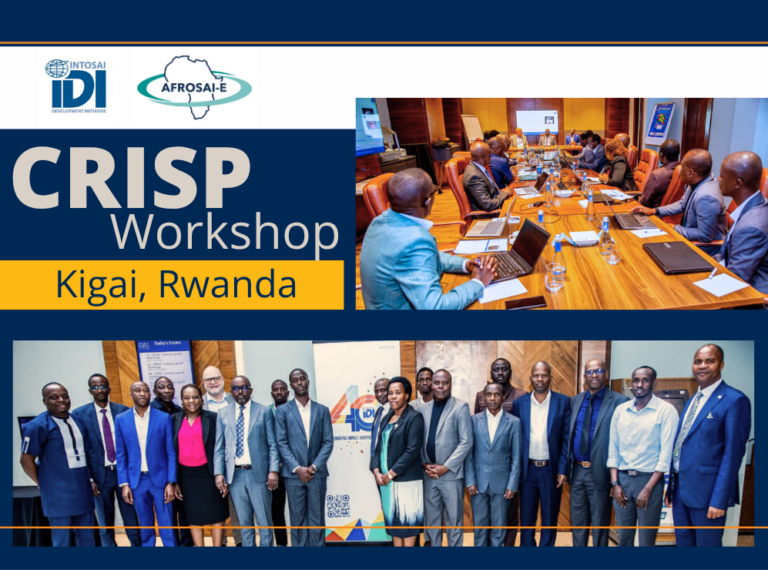
The first phase of the process was recently concluded through a collaborative strategic planning workshop, where technical experts from IDI and AFROSAI-E worked closely with a dedicated team from the OAG. The sessions focused on laying the foundation for a forward-looking strategy that will guide the OAG’s operations and priorities over the next five years.
A key feature of the approach has been inclusive engagement within the institution. OAG staff were actively involved and invited to contribute their perspectives, helping to ensure that the emerging strategy reflects shared ownership and practical realities across the organisation.
Looking ahead, the strategic planning process will be broadened to include external stakeholders. These engagements will involve Parliamentarians, auditees, cooperating partners, civil society organisations and central government ministries, ensuring that the strategic direction of the OAG is informed by the expectations of its wider accountability ecosystem.
During the intervention, the IDI and AFROSAI-E experts also met with the Minister for Finance, Honourable Neal Rijkenberg, who expressed strong support for the initiative. He emphasised the importance of a robust, well-positioned Supreme Audit Institution in promoting accountability in the management of public funds, and welcomed the development of a clear strategic framework to support this role.
Auditor-General Mr Timothy Matsebula conveyed his appreciation for the continued support from the Ministry of Finance, as well as the sustained capacity-building assistance provided by IDI and AFROSAI-E throughout the process.
The OAG Strategic Plan is expected to be finalised in time for the start of the next government fiscal year. Once implemented, it is anticipated to further strengthen the SAI’s institutional capacity, systems and processes, enhancing its ability to deliver its mandate in line with international standards and in service of the people of Eswatini.